
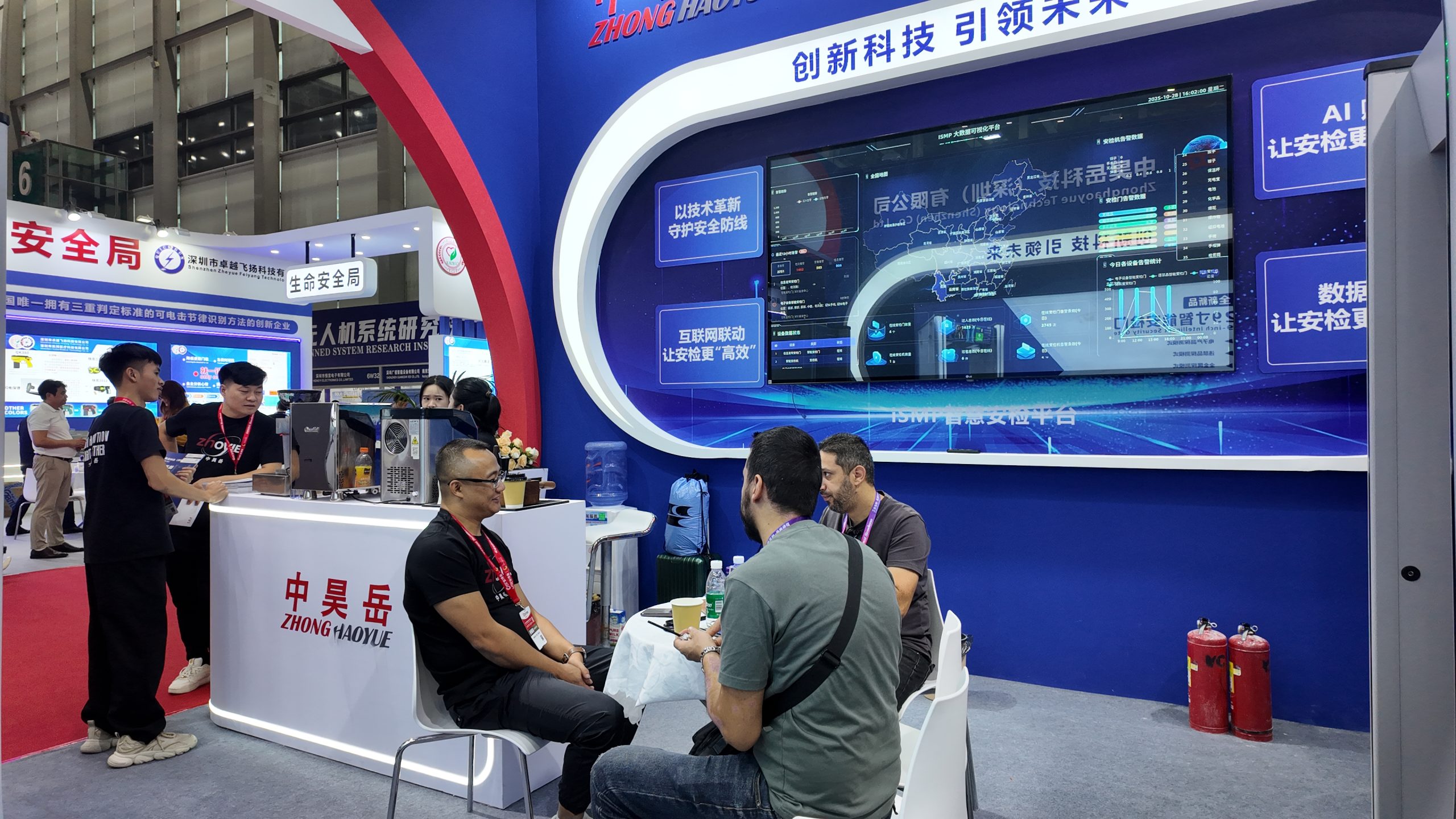
Four days, two halls of visitors, and one clear signal: what overseas buyers came to see this year was precision. We exhibited at CPSE 2025 — the 20th China International Public Security Products Expo — held from 28 to 31 October 2025 at the Shenzhen Convention & Exhibition Center in Futian.
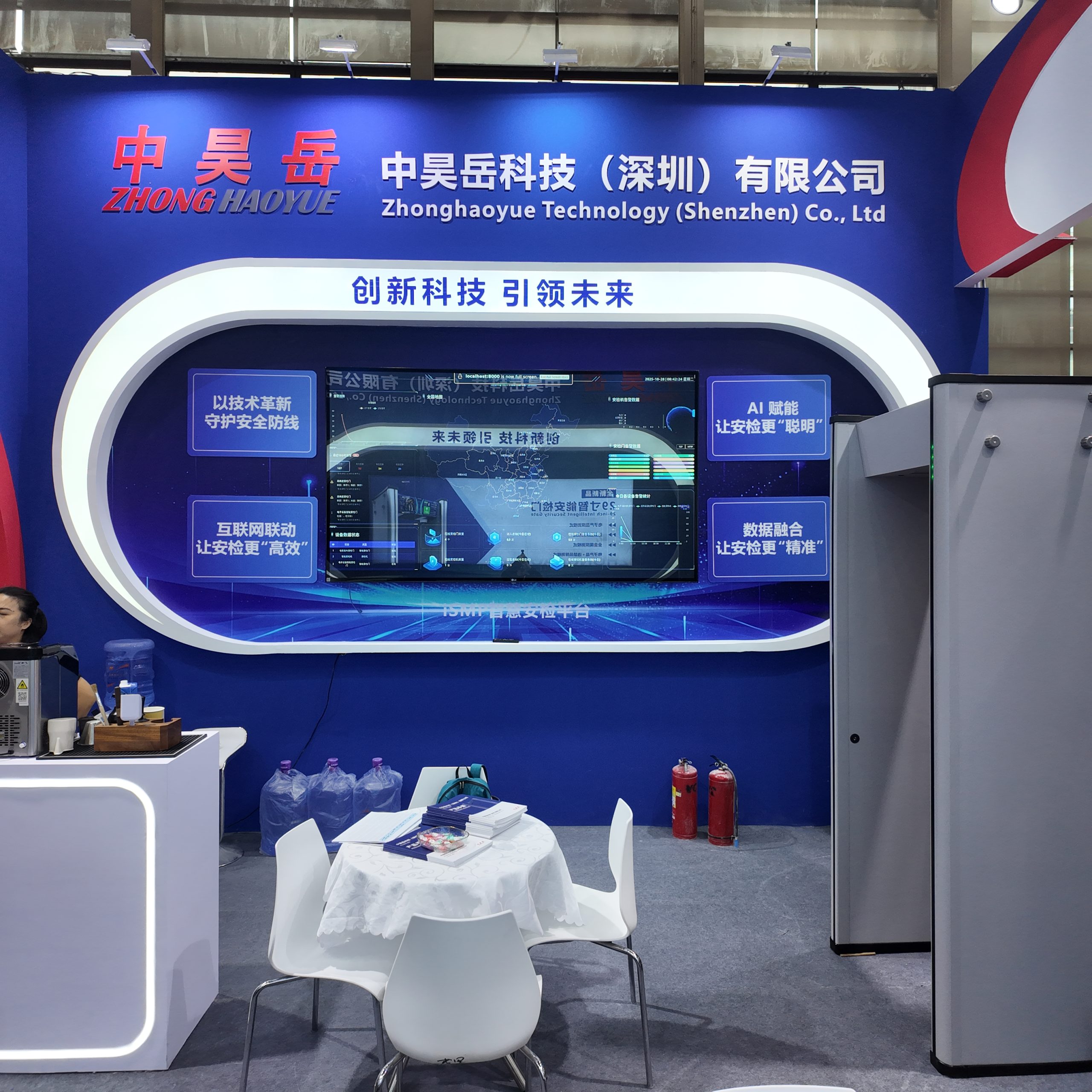
1. A Show Built Around Digital Security
The 2025 edition ran under the theme “Digital Driven, Smart Future”. Across 110,000 square metres, around 1,100 exhibitors from China and abroad presented more than 20,000 products and technologies, and visitors arrived from over 150 countries and regions.
The halls were organised around digital city, smart community, smart access control, police and judicial equipment, IoT sensing, low-altitude economy, and video surveillance, with the programme supported by more than a hundred forums and seminars. Where we stood — people and baggage screening — the conversation had clearly shifted from “do you have a detector” to “how small an object can it find, and how well does it separate one kind of object from another”.
2. What We Brought: Precision and Intelligence
Our display was deliberately narrow. Rather than showing the widest possible catalogue, we brought the two capabilities that serious screening projects are built on.
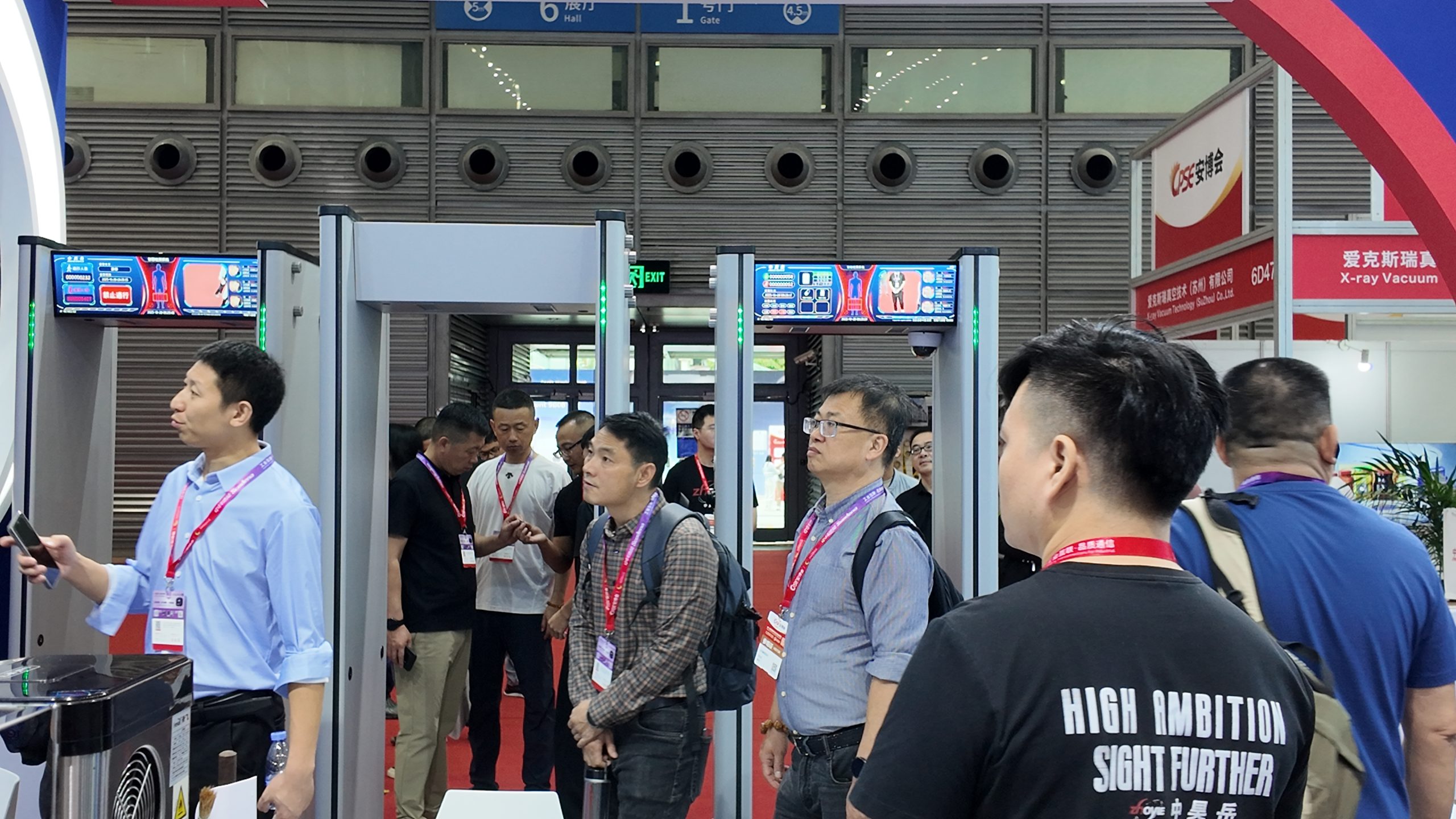
High-precision detection. At maximum sensitivity, our high-precision walk-through detectors pick up metal down to roughly 0.3 g — the scale of a disposable razor blade, a sewing needle, a paperclip or a memory chip. That level of resolution is what custodial facilities, mints, electronics plants and precious-metal workshops actually need, and it drew a steady stream of specialists who wanted to test the gate with their own reference objects.
Intelligent classification detection. Our flagship PE-Multi Z929D showed what a modern screening lane can do: dual 29-inch industrial displays, 18 detection zones with 360° alarm and location lights, face capture and comparison, on-screen information publishing and 24 preset application scenarios — plus platform upload and interlock outputs so the gate works as part of a system instead of standing alone. For buyers who already run a security platform, this was the part they spent the longest time on.
3. Who Came to the Booth
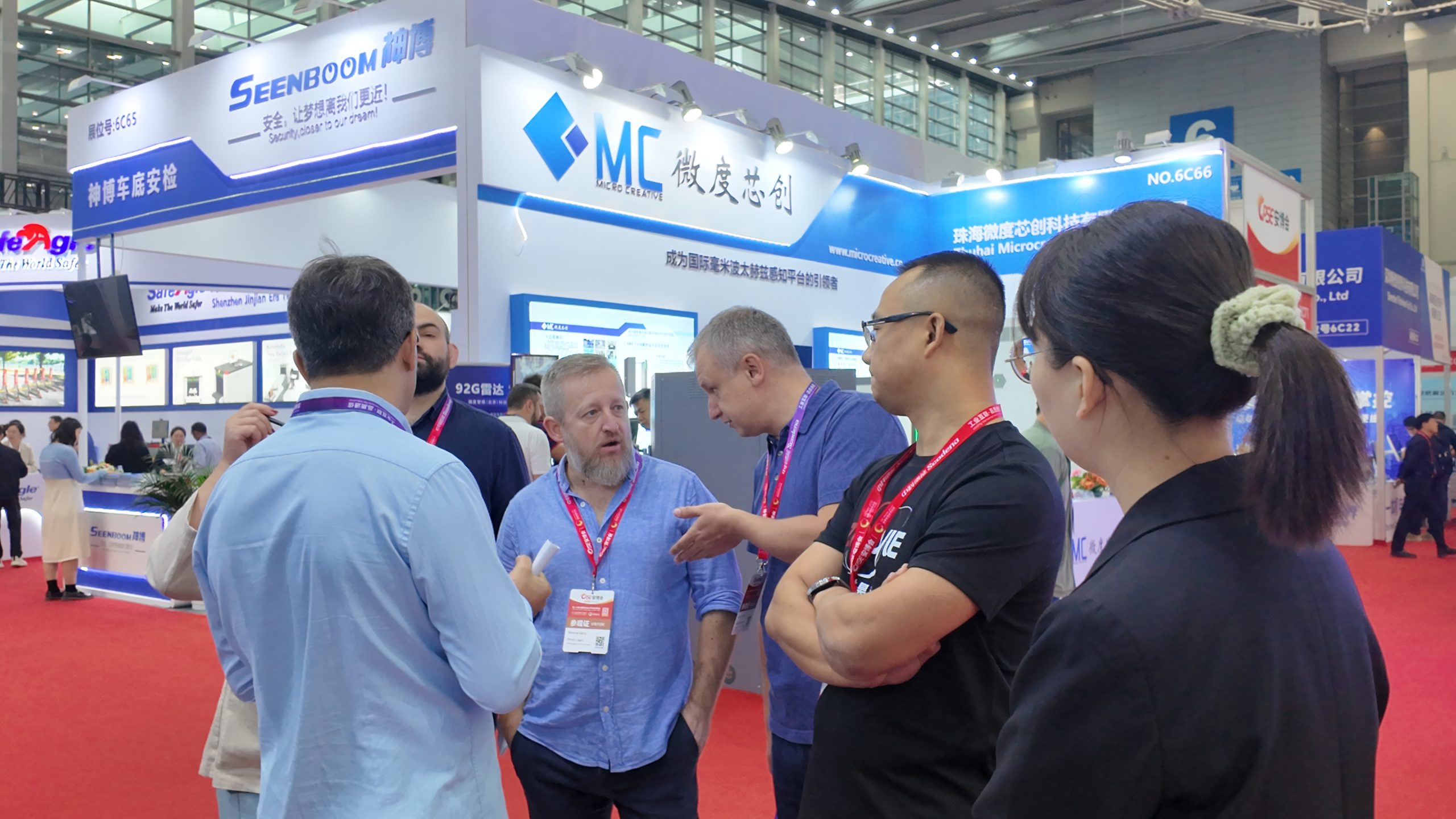
Visitors reached us from across our main markets — Russia, Thailand, Singapore, India, Iran, Qatar, the United Arab Emirates, Chile and Colombia among them, alongside partners from other countries in Central Asia, Southeast Asia and South America. Several arrived with a specific project already in mind: a school entrance, an exam hall, a port gate, a factory access point, a government building.
4. What Buyers Asked For
The same four questions came up in almost every conversation, in almost the same order:
- Precision, not just alarms. How small an object can the gate detect reliably, and can it be tuned after installation for our entrance?
- Separation of electronics. Schools, examination halls and government sites want phones and electronic devices distinguished from everyday metal, not simply “something metallic was detected”.
- Data that goes somewhere. Records, passage counts and alarm logs that can reach an existing security or access platform.
- A factory, not a trader. Direct answers on OEM/ODM, interface language, delivery times and visiting the production line in Shenzhen.
The pattern was consistent enough that it shaped how we plan our next shows: bring precision, bring integration, and let visitors test the equipment themselves.
5. Looking Ahead
The follow-up conversations from CPSE 2025 are still running — sample configurations, project layouts and factory visits are being scheduled with partners in Russia, the Middle East, Southeast Asia and South America. If you were at the show and we did not finish our conversation, or if you are planning a screening project now, we would be glad to continue it with your team.